
Sleep is a vital component of human life. It is a natural process that allows the body to rest, recover, and rejuvenate itself. However, despite its importance, many people do not get enough sleep, leading to a variety of health problems. In this article, we will explore the science of sleep and the importance of rest for overall health.
The Stages of Sleep:
Sleep is divided into two main categories: rapid eye movement (REM) sleep and non-rapid eye movement (NREM) sleep. NREM sleep is further divided into three stages: N1, N2, and N3. During N1, the body is transitioning from wakefulness to sleep and is characterized by slow eye movements. In N2, the body temperature drops, and the heart rate slows down. During N3, also known as deep sleep, the body repairs and regenerates tissues, and the immune system strengthens.
REM sleep is characterized by rapid eye movements, a fast heart rate, and increased brain activity. It is during REM sleep that the brain consolidates memories and processes emotions.
The Importance of Sleep:
Sleep is crucial for physical and mental health. It is during sleep that the body repairs and regenerates tissues, and the immune system strengthens. Lack of sleep has been linked to a variety of health problems, including obesity, diabetes, cardiovascular disease, and depression.
Sleep is also important for cognitive function. It is during sleep that the brain consolidates memories, processes emotions, and forms new neural connections. Lack of sleep can lead to cognitive deficits, including impaired memory, attention, and decision-making skills.
Sleep Disorders:
There are many sleep disorders that can interfere with a good night’s rest. Some common sleep disorders include insomnia, sleep apnea, restless leg syndrome, and narcolepsy. These disorders can lead to daytime fatigue, irritability, and difficulty concentrating.
Treatment for sleep disorders varies depending on the type and severity of the disorder. Treatment options include lifestyle changes, medication, and therapy.

Sleep is a vital component of human life. It is during sleep that the body repairs and regenerates tissues, and the brain consolidates memories and processes emotions. Lack of sleep has been linked to a variety of health problems, including obesity, diabetes, cardiovascular disease, and depression. If you are having difficulty sleeping, it is important to speak with your healthcare provider to determine the underlying cause and develop an appropriate treatment plan. By prioritizing sleep, you can improve your overall health and well-being.
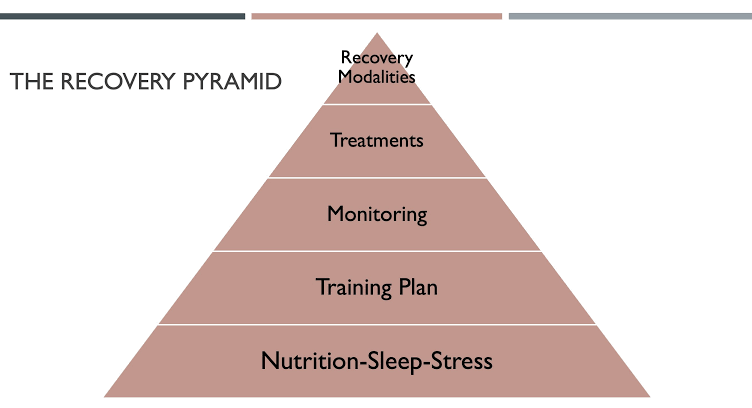
The science of sleep is a fascinating and complex field that involves the study of the biological, neurological, and psychological processes that occur during sleep. Sleep is an essential function of the human body, and it plays a critical role in maintaining overall health and well-being. In this article, we will explore the different stages of sleep, the benefits of sleep, and the potential consequences of sleep deprivation.
There are two main types of sleep: rapid eye movement (REM) sleep and non-rapid eye movement (NREM) sleep. NREM sleep is divided into three stages, with each stage being deeper than the last. During stage one, which lasts for a few minutes, the body begins to relax, and the brain waves slow down. During stage two, which lasts for around 20 minutes, the brain waves continue to slow down, and the body temperature drops. During stage three, which is also known as deep sleep, the brain waves are at their slowest, and it is challenging to wake someone up.
REM sleep, on the other hand, is characterized by rapid eye movements, increased brain activity, and vivid dreams. It typically occurs around 90 minutes after falling asleep and accounts for about 25% of total sleep time in adults.
Sleep plays a crucial role in many aspects of our health. It helps to regulate hormones, promote healthy brain function, and support the immune system. Sleep is also essential for memory consolidation and learning. During sleep, the brain processes and consolidates information, which helps to improve memory and overall cognitive function.
The consequences of sleep deprivation can be severe. Sleep deprivation can lead to impaired judgment, decreased attention span, and reduced alertness. It can also weaken the immune system, making individuals more susceptible to infections and illnesses. Chronic sleep deprivation has also been linked to an increased risk of developing conditions such as obesity, diabetes, and cardiovascular disease.
There are several ways to promote healthy sleep habits. Maintaining a regular sleep schedule, avoiding caffeine and alcohol before bedtime, and creating a relaxing sleep environment can all help to improve the quality of sleep. Regular exercise can also promote healthy sleep patterns, although it is important to avoid exercising too close to bedtime.
In some cases, sleep disorders can disrupt healthy sleep patterns. Sleep disorders such as insomnia, sleep apnea, and restless leg syndrome can all lead to sleep deprivation and other negative health consequences. Treatment for sleep disorders typically involves identifying the underlying cause and developing a personalized treatment plan.
The science of sleep is a complex and fascinating field that plays a crucial role in maintaining overall health and well-being. Understanding the different stages of sleep, the benefits of sleep, and the potential consequences of sleep deprivation can help individuals develop healthy sleep habits and promote optimal health.
The science of sleep is a fascinating and complex field that involves the study of the biological, neurological, and psychological processes that occur during sleep. Sleep is an essential function of the human body, and it plays a critical role in maintaining overall health and well-being. In this article, we will explore the different stages of sleep, the benefits of sleep, and the potential consequences of sleep deprivation.
There are two main types of sleep: rapid eye movement (REM) sleep and non-rapid eye movement (NREM) sleep. NREM sleep is divided into three stages, with each stage being deeper than the last. During stage one, which lasts for a few minutes, the body begins to relax, and the brain waves slow down. During stage two, which lasts for around 20 minutes, the brain waves continue to slow down, and the body temperature drops. During stage three, which is also known as deep sleep, the brain waves are at their slowest, and it is challenging to wake someone up.
REM sleep, on the other hand, is characterized by rapid eye movements, increased brain activity, and vivid dreams. It typically occurs around 90 minutes after falling asleep and accounts for about 25% of total sleep time in adults.
Sleep plays a crucial role in many aspects of our health. It helps to regulate hormones, promote healthy brain function, and support the immune system. Sleep is also essential for memory consolidation and learning. During sleep, the brain processes and consolidates information, which helps to improve memory and overall cognitive function.
The consequences of sleep deprivation can be severe. Sleep deprivation can lead to impaired judgment, decreased attention span, and reduced alertness. It can also weaken the immune system, making individuals more susceptible to infections and illnesses. Chronic sleep deprivation has also been linked to an increased risk of developing conditions such as obesity, diabetes, and cardiovascular disease.
There are several ways to promote healthy sleep habits. Maintaining a regular sleep schedule, avoiding caffeine and alcohol before bedtime, and creating a relaxing sleep environment can all help to improve the quality of sleep. Regular exercise can also promote healthy sleep patterns, although it is important to avoid exercising too close to bedtime.
In some cases, sleep disorders can disrupt healthy sleep patterns. Sleep disorders such as insomnia, sleep apnea, and restless leg syndrome can all lead to sleep deprivation and other negative health consequences. Treatment for sleep disorders typically involves identifying the underlying cause and developing a personalized treatment plan.
In conclusion, the science of sleep is a complex and fascinating field that plays a crucial role in maintaining overall health and well-being. Understanding the different stages of sleep, the benefits of sleep, and the potential consequences of sleep deprivation can help individuals develop healthy sleep habits and promote optimal health.
Research has shown that individuals require different amounts of sleep depending on their age, lifestyle, and health status. Infants typically require 14-17 hours of sleep per day, while adults require 7-9 hours per day. Older adults may require slightly less sleep, but it is essential to ensure that they are getting enough rest to support their overall health.
Sleep patterns can also be influenced by various external factors, such as shift work, travel, and exposure to artificial light. Shift workers often experience disruptions to their sleep patterns, as their work schedules may require them to sleep during the day and be awake at night. This can lead to a condition known as shift work disorder, which can cause fatigue, insomnia, and other negative health effects.
Jet lag is another common sleep disturbance that can occur when individuals travel across multiple time zones. The body’s internal clock, or circadian rhythm, becomes disrupted, leading to feelings of fatigue, insomnia, and other sleep-related problems.
Exposure to artificial light, particularly blue light emitted by electronic devices, can also interfere with sleep patterns. This is because blue light suppresses the production of melatonin, a hormone that regulates sleep-wake cycles. Using blue light-blocking devices, such as glasses or screen filters, can help to minimize the impact of artificial light on sleep patterns.
In addition to promoting healthy sleep habits, there are various therapies and treatments available to help individuals with sleep disorders. Cognitive-behavioral therapy (CBT) is a type of talk therapy that can help individuals identify and address negative thoughts and behaviors that may be interfering with their sleep. CBT has been shown to be effective in treating insomnia and other sleep disorders.
Medications, such as sleep aids and sedatives, can also be used to treat sleep disorders. However, it is essential to use these medications under the guidance of a healthcare professional, as they can have side effects and may be habit-forming if used improperly.
Finally, it is worth noting that there is still much to learn about the science of sleep. Researchers continue to explore the complex neurological and biological processes that occur during sleep, as well as the potential health consequences of sleep deprivation and other sleep-related disorders. By increasing our understanding of sleep, we can continue to develop new treatments and therapies that help individuals achieve better sleep and improve their overall health and well-being.
In summary, the science of sleep is a fascinating and essential field that plays a critical role in maintaining overall health and well-being. By understanding the different stages of sleep, the benefits of healthy sleep patterns, and the potential consequences of sleep deprivation and other sleep-related disorders, individuals can take steps to improve their sleep quality and promote optimal health. As research in this area continues to evolve, it is likely that we will discover new ways to improve our sleep habits and enhance our overall well-being.
Sleep is not only important for physical health, but it also has a significant impact on mental health. Research has shown that sleep plays a critical role in regulating mood, emotions, and stress levels. Lack of sleep or poor-quality sleep has been linked to an increased risk of developing mental health conditions such as anxiety, depression, and bipolar disorder.
Individuals with mental health conditions often experience sleep disturbances, which can exacerbate their symptoms and make it difficult to manage their condition. For example, individuals with anxiety may experience racing thoughts and difficulty falling asleep, while individuals with depression may experience hypersomnia or difficulty staying awake during the day.
Treating sleep disorders in individuals with mental health conditions can have a positive impact on their overall well-being. In some cases, treating the underlying sleep disorder can improve the symptoms of the mental health condition. For example, treating insomnia in individuals with depression has been shown to improve mood and reduce symptoms of depression.
In addition to the benefits for mental health, sleep has also been linked to athletic performance. Adequate rest and recovery are critical for athletes, as they allow the body to repair and rebuild muscle tissue and improve overall physical performance. Research has shown that athletes who get sufficient sleep have better reaction times, increased endurance, and improved overall performance compared to those who are sleep-deprived.
Sleep also plays a crucial role in immune function. During sleep, the body produces cytokines, which are proteins that help the immune system fight off infection and inflammation. Lack of sleep can lead to a weakened immune system, making individuals more susceptible to infections and illnesses.
It is important to note that some individuals may require more or less sleep than the recommended guidelines, depending on their individual needs. Some individuals may function well on less than seven hours of sleep per night, while others may require more than nine hours to feel rested and alert.
In summary, the science of sleep is a complex and fascinating field that has far-reaching implications for overall health and well-being. Adequate rest and quality sleep are essential for physical and mental health, athletic performance, and immune function. Understanding the different stages of sleep, the potential consequences of sleep deprivation and other sleep-related disorders, and the various treatments available can help individuals develop healthy sleep habits and improve their overall well-being. As research in this area continues to evolve, it is likely that we will discover new ways to optimize sleep and promote optimal health.

 Vitality Hub