The Science of Sleep: Understanding the Importance of Rest

Sleep is a vital component of human life. It is a natural process that allows the body to rest, recover, and rejuvenate itself. However, despite its importance, many people do not get enough sleep, leading to a variety of health problems. In this article, we will explore the science of sleep and the importance of rest for overall health.

The Stages of Sleep:

Sleep is divided into two main categories: rapid eye movement (REM) sleep and non-rapid eye movement (NREM) sleep. NREM sleep is further divided into three stages: N1, N2, and N3. During N1, the body is transitioning from wakefulness to sleep and is characterized by slow eye movements. In N2, the body temperature drops, and the heart rate slows down. During N3, also known as deep sleep, the body repairs and regenerates tissues, and the immune system strengthens.

REM sleep is characterized by rapid eye movements, a fast heart rate, and increased brain activity. It is during REM sleep that the brain consolidates memories and processes emotions.

The Importance of Sleep:

Sleep is crucial for physical and mental health. It is during sleep that the body repairs and regenerates tissues, and the immune system strengthens. Lack of sleep has been linked to a variety of health problems, including obesity, diabetes, cardiovascular disease, and depression.

Sleep is also important for cognitive function. It is during sleep that the brain consolidates memories, processes emotions, and forms new neural connections. Lack of sleep can lead to cognitive deficits, including impaired memory, attention, and decision-making skills.

Sleep Disorders:

There are many sleep disorders that can interfere with a good night’s rest. Some common sleep disorders include insomnia, sleep apnea, restless leg syndrome, and narcolepsy. These disorders can lead to daytime fatigue, irritability, and difficulty concentrating.

Treatment for sleep disorders varies depending on the type and severity of the disorder. Treatment options include lifestyle changes, medication, and therapy.

Sleep is a vital component of human life. It is during sleep that the body repairs and regenerates tissues, and the brain consolidates memories and processes emotions. Lack of sleep has been linked to a variety of health problems, including obesity, diabetes, cardiovascular disease, and depression. If you are having difficulty sleeping, it is important to speak with your healthcare provider to determine the underlying cause and develop an appropriate treatment plan. By prioritizing sleep, you can improve your overall health and well-being.
The science of sleep is a fascinating and complex field that involves the study of the biological, neurological, and psychological processes that occur during sleep. Sleep is an essential function of the human body, and it plays a critical role in maintaining overall health and well-being. In this article, we will explore the different stages of sleep, the benefits of sleep, and the potential consequences of sleep deprivation.

There are two main types of sleep: rapid eye movement (REM) sleep and non-rapid eye movement (NREM) sleep. NREM sleep is divided into three stages, with each stage being deeper than the last. During stage one, which lasts for a few minutes, the body begins to relax, and the brain waves slow down. During stage two, which lasts for around 20 minutes, the brain waves continue to slow down, and the body temperature drops. During stage three, which is also known as deep sleep, the brain waves are at their slowest, and it is challenging to wake someone up.

REM sleep, on the other hand, is characterized by rapid eye movements, increased brain activity, and vivid dreams. It typically occurs around 90 minutes after falling asleep and accounts for about 25% of total sleep time in adults.

Sleep plays a crucial role in many aspects of our health. It helps to regulate hormones, promote healthy brain function, and support the immune system. Sleep is also essential for memory consolidation and learning. During sleep, the brain processes and consolidates information, which helps to improve memory and overall cognitive function.

The consequences of sleep deprivation can be severe. Sleep deprivation can lead to impaired judgment, decreased attention span, and reduced alertness. It can also weaken the immune system, making individuals more susceptible to infections and illnesses. Chronic sleep deprivation has also been linked to an increased risk of developing conditions such as obesity, diabetes, and cardiovascular disease.

There are several ways to promote healthy sleep habits. Maintaining a regular sleep schedule, avoiding caffeine and alcohol before bedtime, and creating a relaxing sleep environment can all help to improve the quality of sleep. Regular exercise can also promote healthy sleep patterns, although it is important to avoid exercising too close to bedtime.

In some cases, sleep disorders can disrupt healthy sleep patterns. Sleep disorders such as insomnia, sleep apnea, and restless leg syndrome can all lead to sleep deprivation and other negative health consequences. Treatment for sleep disorders typically involves identifying the underlying cause and developing a personalized treatment plan.

The science of sleep is a complex and fascinating field that plays a crucial role in maintaining overall health and well-being. Understanding the different stages of sleep, the benefits of sleep, and the potential consequences of sleep deprivation can help individuals develop healthy sleep habits and promote optimal health.

The science of sleep is a fascinating and complex field that involves the study of the biological, neurological, and psychological processes that occur during sleep. Sleep is an essential function of the human body, and it plays a critical role in maintaining overall health and well-being. In this article, we will explore the different stages of sleep, the benefits of sleep, and the potential consequences of sleep deprivation.

There are two main types of sleep: rapid eye movement (REM) sleep and non-rapid eye movement (NREM) sleep. NREM sleep is divided into three stages, with each stage being deeper than the last. During stage one, which lasts for a few minutes, the body begins to relax, and the brain waves slow down. During stage two, which lasts for around 20 minutes, the brain waves continue to slow down, and the body temperature drops. During stage three, which is also known as deep sleep, the brain waves are at their slowest, and it is challenging to wake someone up.

REM sleep, on the other hand, is characterized by rapid eye movements, increased brain activity, and vivid dreams. It typically occurs around 90 minutes after falling asleep and accounts for about 25% of total sleep time in adults.

Sleep plays a crucial role in many aspects of our health. It helps to regulate hormones, promote healthy brain function, and support the immune system. Sleep is also essential for memory consolidation and learning. During sleep, the brain processes and consolidates information, which helps to improve memory and overall cognitive function.

The consequences of sleep deprivation can be severe. Sleep deprivation can lead to impaired judgment, decreased attention span, and reduced alertness. It can also weaken the immune system, making individuals more susceptible to infections and illnesses. Chronic sleep deprivation has also been linked to an increased risk of developing conditions such as obesity, diabetes, and cardiovascular disease.

There are several ways to promote healthy sleep habits. Maintaining a regular sleep schedule, avoiding caffeine and alcohol before bedtime, and creating a relaxing sleep environment can all help to improve the quality of sleep. Regular exercise can also promote healthy sleep patterns, although it is important to avoid exercising too close to bedtime.

In some cases, sleep disorders can disrupt healthy sleep patterns. Sleep disorders such as insomnia, sleep apnea, and restless leg syndrome can all lead to sleep deprivation and other negative health consequences. Treatment for sleep disorders typically involves identifying the underlying cause and developing a personalized treatment plan.

In conclusion, the science of sleep is a complex and fascinating field that plays a crucial role in maintaining overall health and well-being. Understanding the different stages of sleep, the benefits of sleep, and the potential consequences of sleep deprivation can help individuals develop healthy sleep habits and promote optimal health.

Research has shown that individuals require different amounts of sleep depending on their age, lifestyle, and health status. Infants typically require 14-17 hours of sleep per day, while adults require 7-9 hours per day. Older adults may require slightly less sleep, but it is essential to ensure that they are getting enough rest to support their overall health.

Sleep patterns can also be influenced by various external factors, such as shift work, travel, and exposure to artificial light. Shift workers often experience disruptions to their sleep patterns, as their work schedules may require them to sleep during the day and be awake at night. This can lead to a condition known as shift work disorder, which can cause fatigue, insomnia, and other negative health effects.

Jet lag is another common sleep disturbance that can occur when individuals travel across multiple time zones. The body’s internal clock, or circadian rhythm, becomes disrupted, leading to feelings of fatigue, insomnia, and other sleep-related problems.

Exposure to artificial light, particularly blue light emitted by electronic devices, can also interfere with sleep patterns. This is because blue light suppresses the production of melatonin, a hormone that regulates sleep-wake cycles. Using blue light-blocking devices, such as glasses or screen filters, can help to minimize the impact of artificial light on sleep patterns.

In addition to promoting healthy sleep habits, there are various therapies and treatments available to help individuals with sleep disorders. Cognitive-behavioral therapy (CBT) is a type of talk therapy that can help individuals identify and address negative thoughts and behaviors that may be interfering with their sleep. CBT has been shown to be effective in treating insomnia and other sleep disorders.

Medications, such as sleep aids and sedatives, can also be used to treat sleep disorders. However, it is essential to use these medications under the guidance of a healthcare professional, as they can have side effects and may be habit-forming if used improperly.

Finally, it is worth noting that there is still much to learn about the science of sleep. Researchers continue to explore the complex neurological and biological processes that occur during sleep, as well as the potential health consequences of sleep deprivation and other sleep-related disorders. By increasing our understanding of sleep, we can continue to develop new treatments and therapies that help individuals achieve better sleep and improve their overall health and well-being.

In summary, the science of sleep is a fascinating and essential field that plays a critical role in maintaining overall health and well-being. By understanding the different stages of sleep, the benefits of healthy sleep patterns, and the potential consequences of sleep deprivation and other sleep-related disorders, individuals can take steps to improve their sleep quality and promote optimal health. As research in this area continues to evolve, it is likely that we will discover new ways to improve our sleep habits and enhance our overall well-being.

Sleep is not only important for physical health, but it also has a significant impact on mental health. Research has shown that sleep plays a critical role in regulating mood, emotions, and stress levels. Lack of sleep or poor-quality sleep has been linked to an increased risk of developing mental health conditions such as anxiety, depression, and bipolar disorder.

Individuals with mental health conditions often experience sleep disturbances, which can exacerbate their symptoms and make it difficult to manage their condition. For example, individuals with anxiety may experience racing thoughts and difficulty falling asleep, while individuals with depression may experience hypersomnia or difficulty staying awake during the day.

Treating sleep disorders in individuals with mental health conditions can have a positive impact on their overall well-being. In some cases, treating the underlying sleep disorder can improve the symptoms of the mental health condition. For example, treating insomnia in individuals with depression has been shown to improve mood and reduce symptoms of depression.

In addition to the benefits for mental health, sleep has also been linked to athletic performance. Adequate rest and recovery are critical for athletes, as they allow the body to repair and rebuild muscle tissue and improve overall physical performance. Research has shown that athletes who get sufficient sleep have better reaction times, increased endurance, and improved overall performance compared to those who are sleep-deprived.

Sleep also plays a crucial role in immune function. During sleep, the body produces cytokines, which are proteins that help the immune system fight off infection and inflammation. Lack of sleep can lead to a weakened immune system, making individuals more susceptible to infections and illnesses.

It is important to note that some individuals may require more or less sleep than the recommended guidelines, depending on their individual needs. Some individuals may function well on less than seven hours of sleep per night, while others may require more than nine hours to feel rested and alert.

In summary, the science of sleep is a complex and fascinating field that has far-reaching implications for overall health and well-being. Adequate rest and quality sleep are essential for physical and mental health, athletic performance, and immune function. Understanding the different stages of sleep, the potential consequences of sleep deprivation and other sleep-related disorders, and the various treatments available can help individuals develop healthy sleep habits and improve their overall well-being. As research in this area continues to evolve, it is likely that we will discover new ways to optimize sleep and promote optimal health.

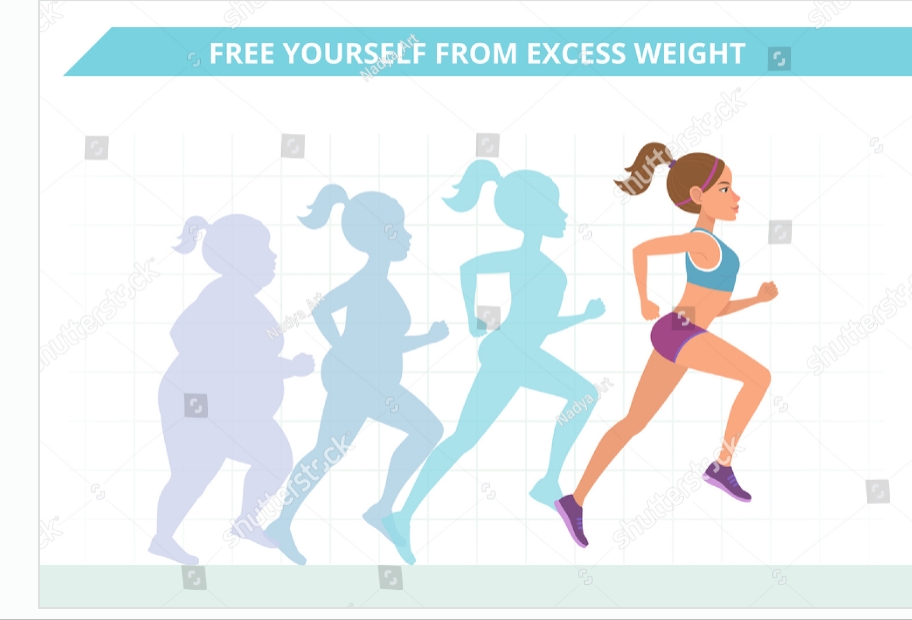
Running for Weight Loss.

Running for Weight loss

Running is the best exercise for weight loss

Running can be an effective exercise for weight loss, but it’s not necessarily the “best” exercise for everyone. Different types of exercise can be effective for weight loss depending on individual factors such as fitness level, body composition, and personal preferences.

Running is a high-impact exercise that can burn a significant number of calories, especially if you increase the intensity or duration of your runs. Running can also help improve cardiovascular health, strengthen leg muscles, and reduce stress levels.

However, for some people, running may not be the best exercise for weight loss due to joint pain, injury risk, or lack of enjoyment. Other forms of cardiovascular exercise such as cycling, swimming, or rowing can also be effective for weight loss, and strength training can help build muscle mass and increase metabolism.

 The best exercise for weight loss is one that you enjoy and can stick to consistently. A combination of cardiovascular exercise and strength training, along with a healthy diet, can help you achieve your weight loss goals.

to finding an exercise that you enjoy, there are a few other things to keep in mind when it comes to weight loss and exercise:

Consistency is key. It’s important to make exercise a regular habit and stick to it over time to see results.

Gradual progression can help prevent injury and improve fitness. If you’re new to running or any form of exercise, start slowly and gradually increase the intensity, duration, or frequency over time.

Variety can help prevent boredom and improve overall fitness. Mixing up your workouts with different types of exercise can help prevent plateaus and keep things interesting.

Nutrition is important for weight loss. While exercise can help create a calorie deficit, it’s also important to fuel your body with healthy foods that support your goals.

It’s important to listen to your body and prioritize rest and recovery. Taking rest days, stretching, and getting enough sleep can help prevent injury and improve overall fitness.

While running can be an effective exercise for weight loss, it’s important to find a form of exercise that works for you and fits into your lifestyle. Combining exercise with a healthy diet and lifestyle habits can help you achieve your weight loss goals and improve your overall health and wellbeing.

Intensity matters. High-intensity interval training (HIIT) has been shown to be effective for weight loss as it burns a higher number of calories in a shorter period of time compared to steady-state exercise. HIIT involves alternating between periods of high-intensity exercise and periods of rest or lower intensity exercise. However, HIIT may not be suitable for everyone and it’s important to gradually build up to higher intensity workouts to avoid injury.

Strength training can boost metabolism. In addition to cardiovascular exercise, strength training can be an effective way to boost metabolism and burn calories. Building muscle mass through strength training can help increase the number of calories you burn at rest, even when you’re not exercising.

Don’t overlook the importance of flexibility and mobility. Incorporating stretching, yoga, or other forms of mobility work into your exercise routine can help improve range of motion, reduce muscle soreness, and prevent injury.

Exercise alone may not be enough. While exercise can help create a calorie deficit and aid in weight loss, it’s important to also focus on nutrition and lifestyle habits such as getting enough sleep, managing stress, and reducing alcohol intake. It’s also important to note that weight loss is not the only indicator of health and that other measures such as improved fitness levels or reduced body fat percentage can be more meaningful.

Keep track of progress. Tracking your exercise and weight loss progress can help keep you motivated and on track. Consider using a fitness tracker or journal to record your workouts, measure your progress, and set goals.

Consider working with a professional. If you’re new to exercise or have specific health concerns, it may be helpful to work with a personal trainer, physical therapist, or other healthcare professional to create a safe and effective exercise plan.

Have fun! Exercise doesn’t have to be a chore. Finding a form of exercise that you enjoy can help make it a sustainable and enjoyable part of your routine.

while running can be an effective exercise for weight loss, it’s important to find a form of exercise that works for you and fits into your lifestyle. Combining exercise with a healthy diet and lifestyle habits can help you achieve your weight loss goals and improve your overall health and wellbeing. And remember, exercise should be enjoyable and sustainable, so don’t be afraid to mix things up and try new things!

Make it social. Exercising with friends or joining a group class can make exercise more fun and motivating. Plus, having a workout buddy can help keep you accountable and make it less likely that you’ll skip workouts.

Find ways to stay active throughout the day. Exercise is just one way to burn calories and improve health. Finding ways to stay active throughout the day, such as taking the stairs instead of the elevator or going for a walk during lunch, can also make a difference.

Be patient and realistic. Weight loss can take time and it’s important to set realistic goals and expectations. Aim for slow, steady progress rather than quick fixes or fad diets that promise rapid weight loss.

Be kind to yourself. It’s normal to experience setbacks or struggles along the way. Be kind to yourself and focus on progress rather than perfection. Celebrate your successes and don’t beat yourself up over slip-ups or mistakes.

Consider other factors that may be impacting weight loss. Weight loss can be impacted by factors such as hormones, medications, or underlying health conditions. If you’re struggling to lose weight despite consistent exercise and a healthy diet, it may be helpful to talk to a healthcare professional to rule out any underlying issues.

Mix up your routine. Doing the same workout over and over can lead to boredom and plateau. Mix up your routine by trying new exercises, changing up the intensity or duration of your workouts, or incorporating different types of equipment.

Get outside. Exercising outdoors can provide a change of scenery and fresh air, which can be beneficial for both physical and mental health. Consider going for a run or hike in a nearby park, or doing a bodyweight workout in your backyard.

Make exercise a priority. It can be easy to let other obligations take priority over exercise, but prioritizing exercise can help improve overall health and wellbeing. Consider scheduling exercise into your calendar or setting reminders to help make it a consistent part of your routine.

In summary, while running can be an effective exercise for weight loss, it’s important to approach weight loss and exercise in a holistic way. Finding a form of exercise that you enjoy and can stick to, as well as focusing on nutrition, lifestyle habits, and overall health, can help you achieve your weight loss goals and improve your overall wellbeing.

Be mindful of your eating habits. While exercise can create a calorie deficit, it’s important to also pay attention to what and how much you’re eating. Keeping a food diary or tracking your calorie intake can help you become more aware of your eating habits and make healthier choices.

Don’t compare yourself to others. Everyone’s fitness journey is different and it’s important not to compare your progress to others. Instead, focus on your own progress and celebrate your own successes.

Set achievable goals. Setting goals can help keep you motivated and on track, but it’s important to set goals that are achievable and realistic. Starting with small, attainable goals can help build momentum and confidence.

Consider the time of day. Finding the best time of day to exercise can help make it a consistent part of your routine. Some people may prefer morning workouts to start their day off on the right foot, while others may prefer evening workouts to help unwind after a busy day.

Don’t underestimate the power of rest and recovery. Rest and recovery are just as important as exercise when it comes to weight loss and overall health. Make sure to incorporate rest days into your routine and prioritize sleep and recovery practices such as foam rolling or stretching.

Be aware of overtraining. While consistent exercise is important for weight loss, it’s important not to overdo it. Overtraining can lead to burnout, injury, or other negative health effects. Listen to your body and take breaks or rest days as needed.

Take advantage of technology. Technology such as fitness trackers, workout apps, or online fitness communities can help keep you accountable and motivated. Consider using these tools to help support your exercise routine.

Stay hydrated. Proper hydration is important for both exercise performance and weight loss. Make sure to drink enough water throughout the day, especially during and after exercise.

Find ways to stay motivated. Motivation can ebb and flow, so it’s important to find ways to stay motivated during times when you may be feeling less motivated. Setting rewards for reaching certain goals, finding an accountability partner, or focusing on the mental and physical benefits of exercise can all help keep you motivated.

Enjoy the process. Exercise and weight loss can be challenging, but it’s important to also find joy in the process. Finding a form of exercise that you enjoy and focusing on the positive changes that come with exercise can help make it a sustainable part of your routine.

In summary, while running can be an effective exercise for weight loss, it’s important to approach weight loss and exercise in a holistic way. By considering factors such as nutrition, rest and recovery, motivation, and overall health, you can create a sustainable exercise routine that supports weight loss and overall well being.

Exercise as Medicine. atOptions = { ‘key’ : ‘4741b195718daf1930dd5b32496ee107’, ‘format’ : ‘iframe’, ‘height’ : 250, ‘width’ : 300, ‘params’ : {} }; document.write(”);

2312737

Exercise has become a dose of medicine

Exercise has indeed been shown to have many health benefits, and in that sense, it can be thought of as a kind of “medicine” for the body. Regular exercise has been linked to a range of positive outcomes, including,Exercise can be considered as a dose of medicine as it provides numerous physical and mental health benefits. Regular exercise can help prevent chronic diseases such as heart disease, stroke, diabetes, and cancer. It also helps to manage and reduce the symptoms of various mental health conditions such as depression, anxiety, and stress.

Improved cardiovascular health: Exercise can improve the health of your heart and blood vessels, reducing your risk of developing heart disease and stroke.

Better mental health: Exercise has been shown to reduce symptoms of depression and anxiety and boost mood.

Stronger muscles and bones: Exercise can help build and maintain strong muscles and bones, reducing the risk of falls and fractures.

Lowered risk of chronic diseases: Regular exercise has been linked to a lower risk of developing chronic diseases such as type 2 diabetes, some forms of cancer, and obesity.

Improved sleep: Exercise has been shown to improve sleep quality and duration, which can have a range of positive effects on physical and mental health.

Increased energy and productivity: Regular exercise can help increase your energy levels, making it easier to get through the day and be more productive.

Improved cognitive function: Exercise has been shown to improve cognitive function and memory, particularly in older adults.

Weight management: Exercise can help you maintain a healthy weight or lose weight if you need to. It can also help prevent weight gain in the future.

Increased flexibility and balance: Some forms of exercise, such as yoga and tai chi, can help improve flexibility and balance, reducing the risk of falls and injuries.

Social benefits: Exercise can be a great way to socialize and connect with others. Joining a fitness class or sports team can be a fun way to meet new people and make friends.

Reduced stress: Exercise can help reduce stress and improve overall mental health. It can be a great way to unwind after a long day or to take a break from work or other stressors.

Exercise is an essential part of a healthy lifestyle and can provide a range of physical and mental health benefits. It’s never too late to start incorporating exercise into your routine, and even small changes can make a big difference in your health and wellbeing.

incorporating exercise into your daily routine can have a wide range of health benefits and can help you feel your best both physically and mentally.

Reduced risk of injury: Exercise can help strengthen the muscles and bones, making them less prone to injury. It can also improve flexibility and balance, reducing the risk of falls and accidents.

Improved immune function: Regular exercise has been shown to improve immune function, reducing the risk of illness and infection.

Increased longevity: Exercise can help extend lifespan by reducing the risk of chronic diseases and improving overall health.

Reduced risk of cognitive decline: Exercise has been linked to a lower risk of cognitive decline and dementia in older adults.

Increased self-confidence: Regular exercise can help improve self-esteem and self-confidence, as well as reducing symptoms of anxiety and depression.

Better quality of life: Exercise can improve overall quality of life by boosting mood, reducing stress, improving sleep, and increasing energy levels.

Exercise has a wide range of benefits for physical and mental health, and it’s never too late to start incorporating it into your routine. Whether it’s a daily walk, a yoga class, or a game of basketball with friends, finding a form of exercise that you enjoy can have a significant positive impact on your health and wellbeing.

Improved heart and lung function: Regular exercise can improve heart and lung function, increasing endurance and reducing the risk of heart and lung diseases.

Reduced chronic pain: Exercise can help reduce chronic pain, particularly in conditions such as arthritis and fibromyalgia.

Improved digestion: Exercise can improve digestion and reduce the risk of constipation and other digestive problems.

Better skin health: Exercise can improve blood flow and oxygen delivery to the skin, promoting skin health and reducing the signs of aging.

Increased creativity: Exercise has been linked to increased creativity and productivity, making it a great way to boost creativity and problem-solving skills.

Reduced healthcare costs: Regular exercise can help reduce healthcare costs by reducing the risk of chronic diseases and lowering the likelihood of needing medical interventions.

Improved sex life: Regular exercise can improve sexual function and reduce the risk of sexual dysfunction in both men and women.

Exercise is a powerful tool for improving physical and mental health and can have a wide range of benefits for people of all ages and fitness levels. By incorporating exercise into your routine, you can enjoy better health, more energy, and an improved quality of life.

Increased bone density: Exercise can help increase bone density, reducing the risk of osteoporosis and fractures.

Improved insulin sensitivity: Regular exercise can improve insulin sensitivity, reducing the risk of type 2 diabetes and helping manage blood sugar levels.

Reduced inflammation: Exercise can help reduce inflammation in the body, which is linked to a range of chronic diseases and conditions.

Improved balance and coordination: Exercise can help improve balance and coordination, reducing the risk of falls and injuries.

Reduced risk of certain cancers: Regular exercise has been linked to a reduced risk of certain types of cancer, including breast, colon, and lung cancer.

Increased muscle strength: Exercise can help increase muscle strength and endurance, making it easier to perform daily activities and reducing the risk of injury.

Improved immune function: Regular exercise has been shown to improve immune function, reducing the risk of illness and infection.

Exercise is an essential part of a healthy lifestyle and can provide a range of physical and mental health benefits. Whether you prefer running, swimming, yoga, or strength training, finding a form of exercise that you enjoy and can stick to can have a significant positive impact on your health and wellbeing.

The recommended amount of exercise is at least 150 minutes of moderate-intensity aerobic exercise per week or 75 minutes of vigorous-intensity aerobic exercise per week, along with muscle-strengthening exercises at least two days per week.

In conclusion, exercise is a crucial component of a healthy lifestyle and can be considered as a dose of medicine to promote physical and mental health.

2312737